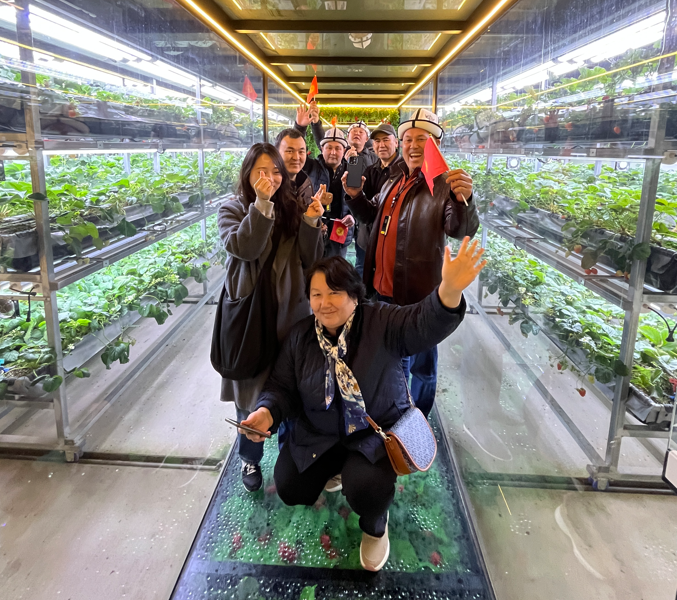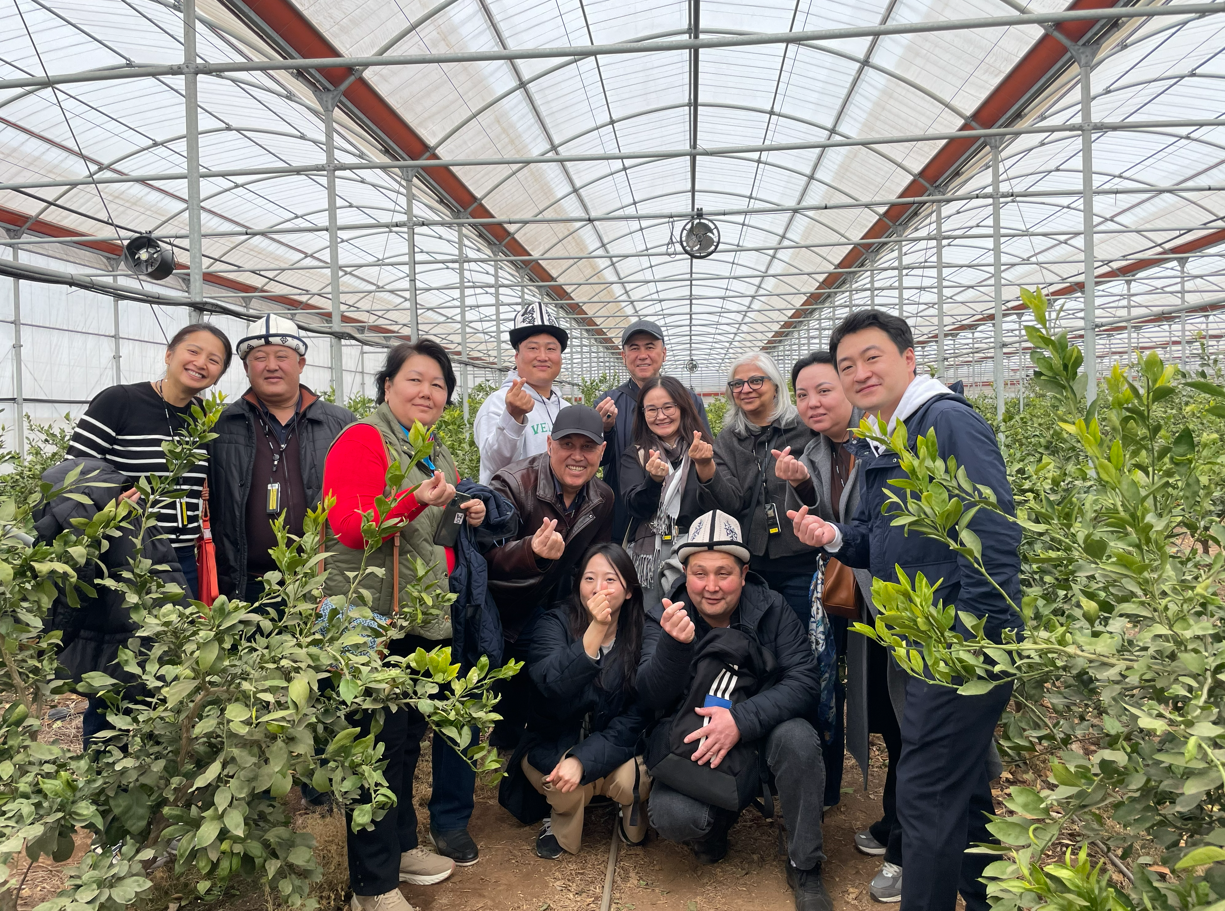
From February 24 to March 5, 2026, a delegation from the Kyrgyz Republic traveled to the Republic of Korea to participate in a knowledge exchange on smart farming solutions. Organized with support from the Korea Green Growth Trust Fund (KGGTF), the mission brought together policymakers, technical experts, and farmers to explore how digital technologies can strengthen agricultural productivity, resilience, and livelihoods.
The Kyrgyz delegation was led by Kenenbaeva Asel, Deputy Minister for Digital Development at the Ministry of Water Resources, Agriculture and Processing Industry (MoWRAPI), and included representatives from AgroSmart, the Agricultural Business Competitiveness Center (ABCC), and dairy and horticulture farmers. This combination of policy leadership and hands-on practitioners ensured that discussions remained grounded in both strategy and implementation.
The mission was organized by the World Bank’s Agriculture and Food Department in ECA region and hosted by Korea’s National Information Society Agency (NIA) under the Ministry of Science and ICT. The Kyrgyz delegation visited a wide spectrum of smart agriculture models—ranging from low-cost digital tools tailored for small and medium-sized farms to highly automated, capital-intensive production systems. Equally important, the group examined the enabling environment behind these technologies: the policies, institutions, and public investments that have supported Korea’s transformation into a global leader in smart agriculture.
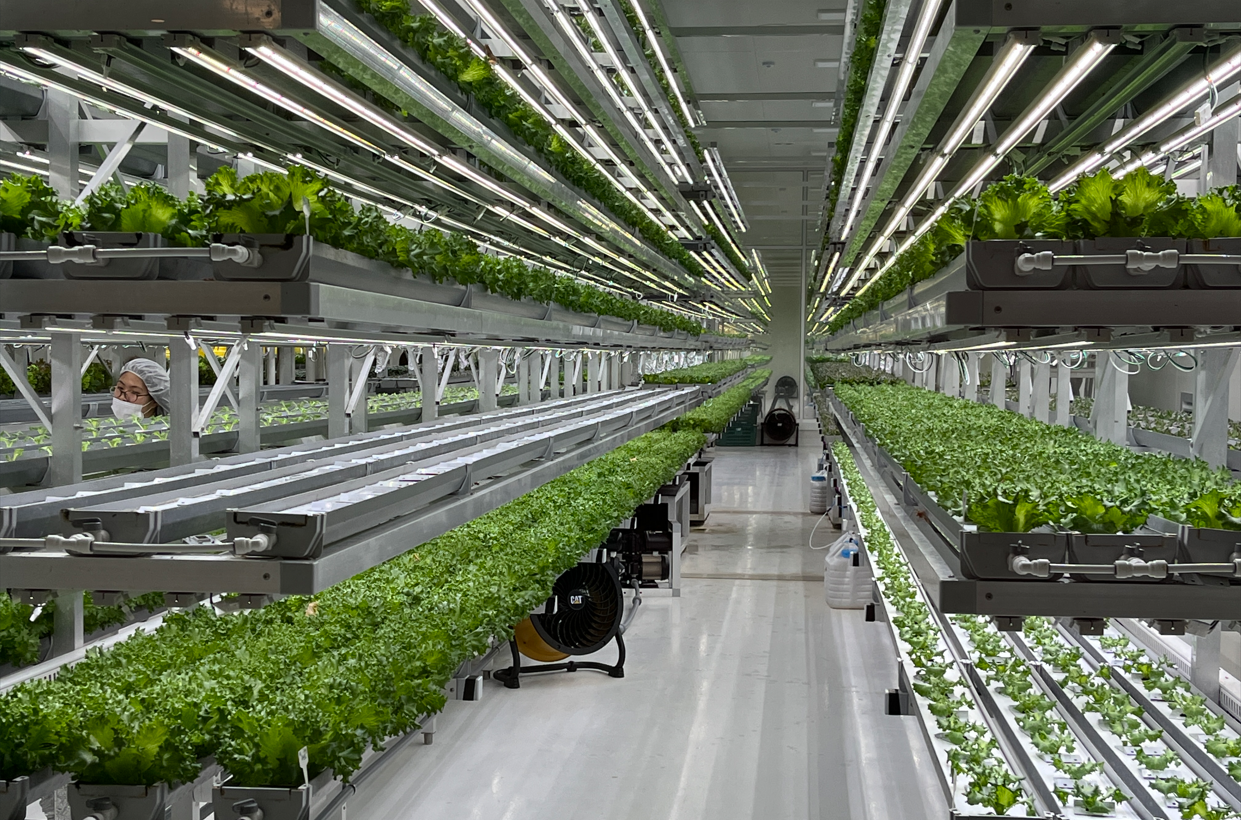
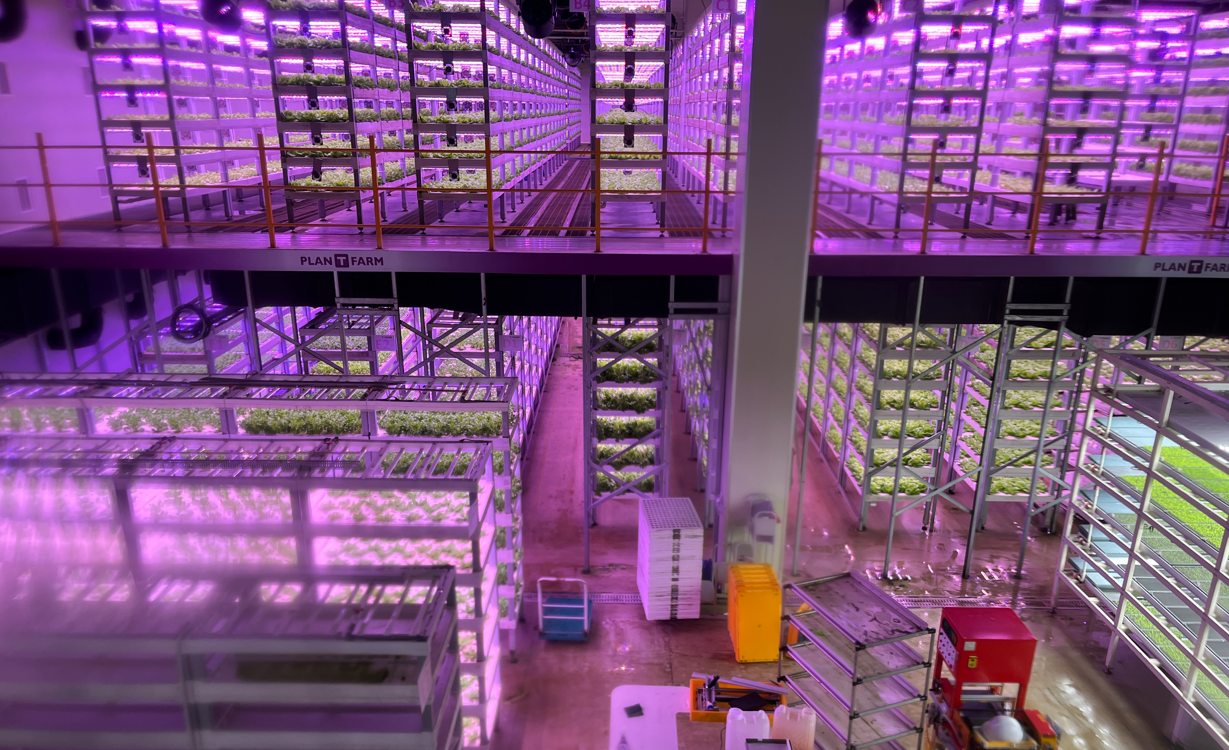
What emerged clearly is that smart farming is not a one-size-fits-all model. Korea’s experience demonstrates that even basic digitalization, such as the use of affordable sensors, weather monitoring, and simple data platforms, can significantly improve decision-making and productivity for smaller farms. At the same time, more advanced systems, including automated dairy operations and controlled environment agriculture, can deliver substantial gains when deployed at scale, particularly through cooperative or clustered models.
Site visits highlighted the potential of greenhouse and vertical farming systems to enable year-round production of high-value crops while improving water and resource efficiency, an increasingly important consideration in the face of climate variability. Across all engagements, one lesson stood out: Technology adoption doesn’t happen in a vacuum—it needs more than innovation. It requires sustained public leadership, investment, and clear policy frameworks.
Building on these insights, the Kyrgyz delegation, supported by the World Bank and NIA, has outlined a set of concrete next steps to translate learning into action.
First, smart farming solutions will be piloted at four farms in the Kyrgyz Republic—two public and two private—creating real-world testing grounds for adapting technologies to local conditions. The pilot smart farms will serve as a critical bridge between theory and practice, by demonstrating cost-effective technologies for the Kyrgyz farmers.
Second, the AgroSmart will be the central institution to integrate data, analytics, and decision-support systems, through the government’s AgroTechno Park. This facility will provide a platform for technology testing, data management, and capacity building, laying the foundation for a more coordinated and scalable ecosystem.
Third, the MoWRAPI will convene a national-level Digital Agriculture and Smart Farming event, bringing together domestic stakeholders with Korean and international partners. This will help build momentum, share knowledge, and align actors around a common vision.
Fourth, the government will develop a Kyrgyz Smart Farm Framework, with technical support from Korean institutions. This framework will provide a structured roadmap for scaling smart agriculture, ensuring that investments are aligned with national priorities and grounded in practical experience.
Finally, continued technical cooperation with Korean partners will remain central. Through advisory support, training, and the potential expansion of pilot farms, the Kyrgyz Republic aims to move from initial pilots toward broader adoption and integration within World Bank-supported programs, including the Regional Agriculture Commercialization and Development Project (RACDP).
This knowledge exchange reinforced a critical message: digital agriculture is building about systems that work for farmers. With the right mix of policy, institutions, and innovations, even modest interventions can unlock meaningful gains for farmers. For Kyrgyzstan, smart farming is no longer a distant concept, but a practical pathway—one that can be adapted to local realities and scaled with purpose.
From pilot to platform, Kyrgyzstan is laying the groundwork for smart agriculture at scale.